When several tasks all seem important, choosing what to do first can become its own source of friction. Deadlines compete, new requests appear, and the work making the most noise is not always the work that matters most.
Prioritizing tasks at work gets easier when you stop treating every request as equal. Instead of reacting to whatever feels most urgent, you can compare what genuinely needs your attention first.
A clearer priority order takes some of the guesswork out of a crowded workday. Instead of reconsidering everything each time a new request appears, you have a stronger basis for deciding what deserves your attention.
Quick Overview
- Make your active workload visible before deciding what deserves attention first.
- Compare tasks by deadline, consequence, dependency, impact, and ownership.
- When priorities compete, identify what must move rather than adding everything to the same day.
- Check the priority order against the time and capacity you actually have.
- Communicate trade-offs early when deadlines or expectations need to change.
How to Prioritize Tasks at Work
When your workload is crowded, prioritization works best when you compare the work that is actually competing for your time. That means looking beyond whichever request arrived most recently or feels most urgent in the moment.
1. Make Your Active Workload Visible
It is difficult to prioritize work you cannot see.
Pull together the tasks, deadlines, requests, follow-ups, and ongoing responsibilities that are currently active. You do not need a perfect system at this stage. You just need one reliable view of what is already competing for your attention.
Include work that is easy to overlook, such as:
- tasks you have already started;
- requests waiting for your response;
- work with upcoming deadlines;
- recurring responsibilities;
- commitments you made in meetings or messages;
- tasks that other people are waiting on.
This prevents a new request from appearing more important simply because it is fresh in your mind.
If your tasks are vague or scattered across several places, a clear to-do list can help you capture and organize the work before you start ranking it.
Once the active workload is visible, you can compare tasks based on what they actually require rather than what happens to be demanding your attention first.
Urgency can also distort how important a task feels. Research published in the Journal of Consumer Research found that people can favor lower-value tasks simply because those tasks appear more urgent. That is another reason to compare the consequences, dependencies, and impact of the work instead of letting the shortest deadline make the decision by itself.
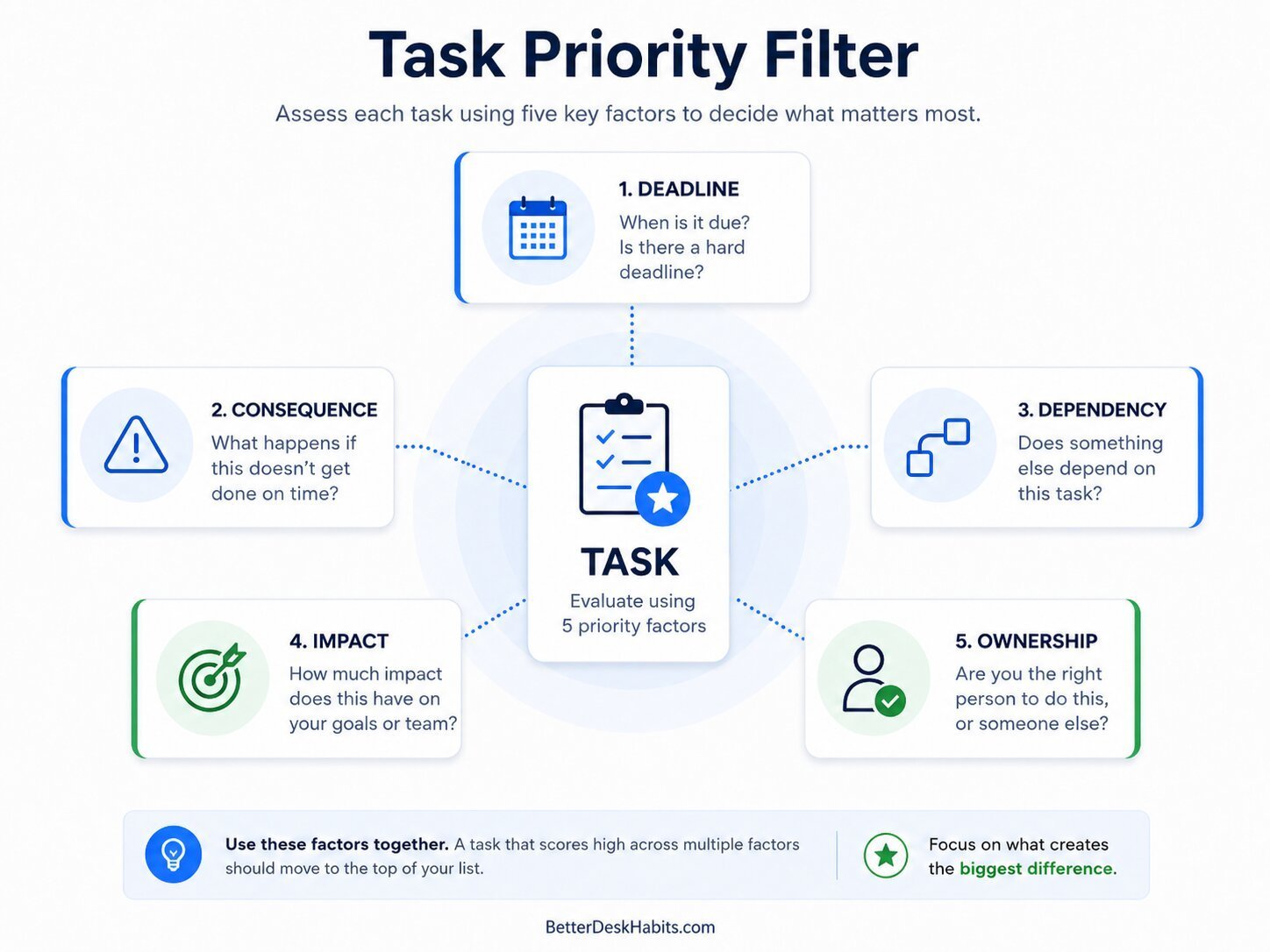
2. Compare the Work Using Five Priority Factors
Once you can see the work in front of you, compare each task using the same set of questions.
No single factor should decide the priority on its own. A task with the nearest deadline may still be less important than work that is blocking several people or carries a much larger consequence if delayed.
| Factor | Ask |
|---|---|
| Deadline | When is this genuinely needed? |
| Consequence | What happens if it waits? |
| Dependency | Who or what is blocked by it? |
| Impact | What meaningful outcome does it affect? |
| Ownership | Does this specifically require you? |
Deadline
Start by separating real deadlines from preferred timing.
A client submission due at noon is different from a task someone would simply like finished today. The closer and less flexible the deadline, the more weight it deserves.
Consequence
Ask what actually changes if the task slips.
Some delays create very little harm. Others can hold up a customer, affect revenue, create rework, or cause another commitment to fail.
A task with a serious consequence may deserve attention before something that merely looks more urgent.
Dependency
Work that blocks other people often needs earlier attention.
A five-minute approval may not feel important compared with a large project, but if two coworkers cannot continue without it, completing that approval first may save much more time overall.
Impact
Look at the outcome the task supports.
Work tied directly to an important project, customer need, business objective, or major commitment usually deserves more weight than work with little effect beyond checking something off the list.
Impact also helps protect valuable work that may not have an immediate deadline.
Ownership
Some tasks require your judgment, approval, access, or expertise. Others may be handled just as well by someone else.
If a task does not specifically need you, that matters when your workload is already full. Reassigning or sharing appropriate work can protect time for responsibilities only you can complete.
A simple comparison might look like this:
| Task | What matters most | Likely priority |
|---|---|---|
| Client correction due this morning | Fixed deadline and customer consequence | High |
| Five-minute approval blocking two coworkers | Strong dependency, low effort | High |
| Planning document due next week | High impact, flexible deadline | Important, but protect time for it later |
The point is not to calculate a perfect score. The five factors help you see why one task deserves attention before another, especially when several requests initially look equally important.
3. Break the Tie When Several Tasks Still Look Important
Sometimes two tasks remain close even after you compare the five priority factors.
When that happens, give extra weight to the details that make delay harder to recover from:
- Consequences: Which delay creates the bigger problem?
- Dependencies: Which task is holding up other work?
- Deadline flexibility: Which date genuinely cannot move?
- Uncertainty: Which task needs an earlier start because it involves approvals, research, technical risk, or several handoffs?
If the tasks are still close, compare the value of the outcomes and make the more defensible trade-off.
Prioritization does not always produce one objectively correct answer. What matters is that you can explain why one commitment reasonably came before another.
4. Check the Priority Order Against Your Actual Capacity
A good priority order still has to fit the time you actually have.
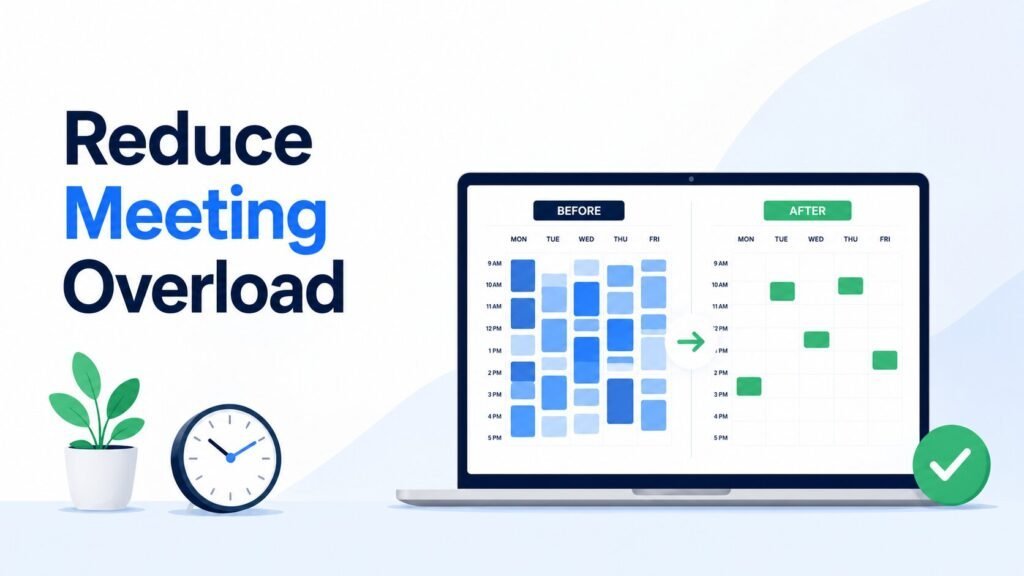
Once you know what should come first, compare the plan with your meetings, deadlines, and other commitments. If the workload exceeds the available time, keeping every commitment unchanged does not make the plan ambitious. It makes it unrealistic.
Something may need to:
- move to another day;
- wait until a higher-priority task is finished;
- be reduced in scope;
- go to someone else;
- be renegotiated with the person expecting it.
For example, if an urgent client correction takes the first half of your morning, the planning work you intended to finish before lunch may no longer fit. It is better to recognize that trade-off now than discover it when one of the deadlines slips.
This is not simply a matter of working faster. When the work exceeds your capacity, the commitments themselves need to change.
Protecting time for important work can also stop lower-priority tasks from taking over the day. Time blocking can help when valuable work needs dedicated space rather than whatever time remains.
A realistic priority plan should tell you both what deserves attention first and what can actually fit.
What to Do When a New “Urgent” Task Arrives
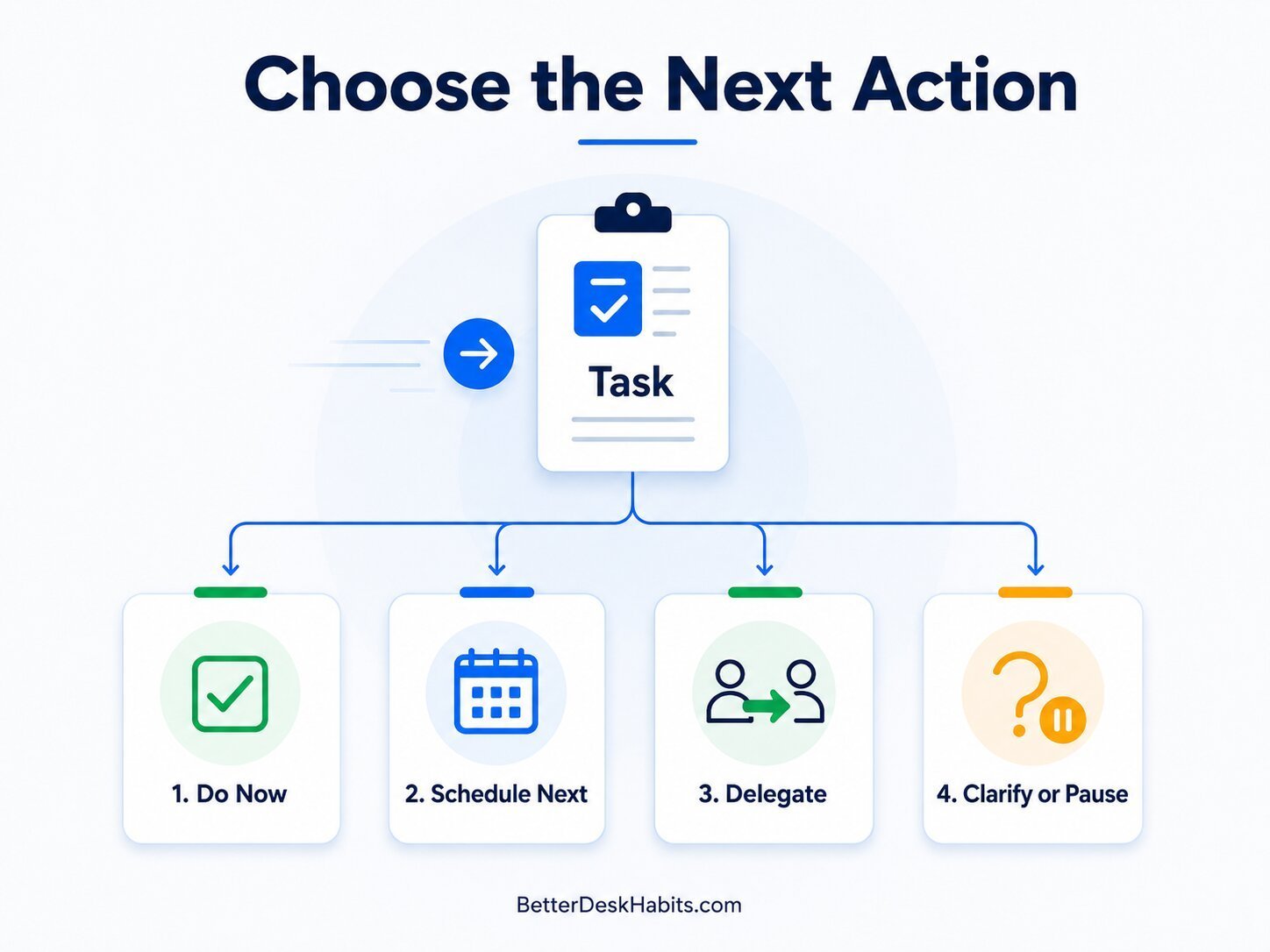
A new urgent request should not simply be added on top of an already full workload.
Before changing your plan, compare the new task with what you are already committed to. Ask what happens if the new request waits, what existing work it would displace, and whether the urgency is genuinely fixed or simply preferred.
Then decide what changes.
If a manager asks for a same-day analysis while you are already working toward another deadline, the question is not whether both tasks matter. You need to know which commitment now takes priority and what happens to the other one.
A useful sequence is:
- Confirm what the new request actually needs and by when.
- Compare it with the work already in progress.
- Identify the commitment that would have to move.
- Communicate that trade-off if you do not have the authority to make it alone.
A new priority changes the existing plan. It should not quietly become one more task squeezed into the same amount of time.
This idea of making deliberate trade-offs rather than simply reacting to every incoming demand is also reflected in Harvard Business Review’s guidance on prioritizing when everything feels urgent.
Communicate the Trade-Off Before a Deadline Slips
Sometimes the real difficulty is not deciding what should come first. It is getting agreement from the people affected by that decision.
When two important requests compete for the same time, make the conflict visible early. Explain what you can complete, what would need to move, and where you need direction.
When Your Manager Says Everything Is Important
If everything is treated as equally urgent, ask for an order rather than trying to absorb the conflict yourself.
Example wording
I have the client revision, the budget review, and the project update all due today. I can complete two of them at the expected quality. Which should take priority, and which one should move?
This turns a vague workload problem into a concrete decision.
When Two People Give You Conflicting Priorities
Two managers or project leads may each have a reasonable reason for wanting their work first.
Instead of choosing silently, show the conflict and ask them to help resolve it.
Example wording
I’m currently working on the pricing analysis for Maya, which is due at 3 PM. Jordan has also asked me to finish the launch summary today. I can shift to the summary, but the analysis would then move. Can you help me confirm which deadline should take precedence?
The point is not to push responsibility away. It is to make sure the priority reflects the wider commitments rather than whichever request reached you last.
When the Work Simply Does Not Fit
Sometimes the issue is capacity, not confusion.
If the workload exceeds the time available, say so before the day ends with several missed commitments.
Example wording
Based on the time available today, I can finish the client correction and the approval review, but I will not be able to complete the planning draft as well. I can move that to tomorrow or reduce the scope for today. Which option works better?
Clear trade-offs are easier to manage than late surprises. The earlier people know what cannot fit, the more options they have to adjust the work.
When a Prioritization Method Can Help
You do not need a formal framework every time you decide what to work on next. But when the same priority conflicts keep coming up, a simple method can make the decision easier to explain and repeat.
Different methods solve different problems:
| Method | Useful when |
|---|---|
| Eisenhower Matrix | You need to separate urgency from importance |
| ABCDE Method | You want a simple ordered ranking for a task list |
| Impact-Effort Matrix | You are comparing larger projects, improvements, or initiatives |
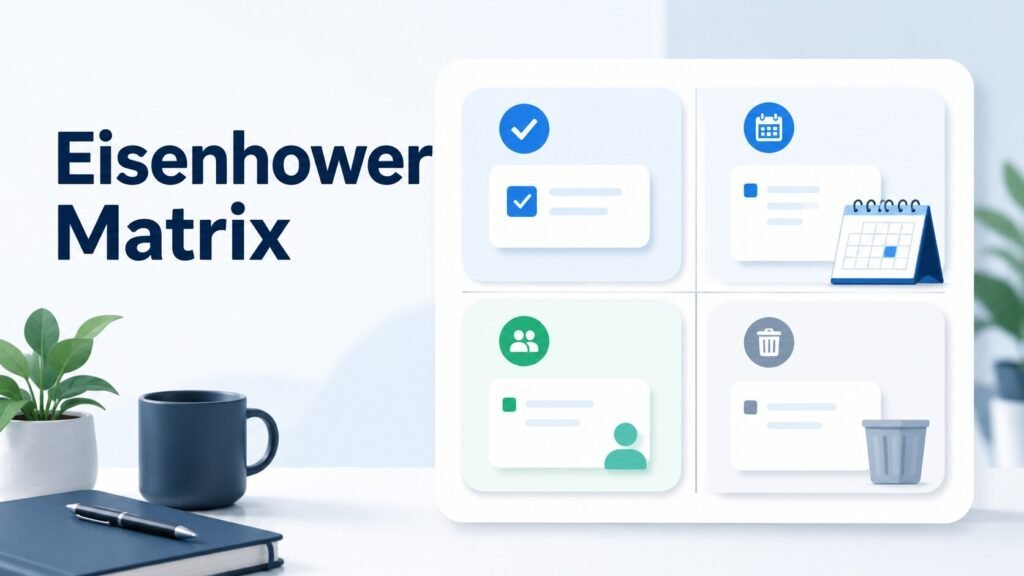
The Eisenhower Matrix is especially useful when urgent work keeps crowding out important work. It helps separate tasks that need attention now from work that matters but can be planned more deliberately.
A framework should support judgment, not replace it. Deadlines, dependencies, consequences, and available capacity still matter even when a method gives you a useful starting point.
Frequently Asked Questions
Should You Do Easy Tasks or Important Tasks First?
Not automatically. A quick task may deserve early attention if it removes a blocker or prevents a larger delay, but ease alone should not determine priority. Compare the task’s deadline, consequence, dependency, impact, and ownership before deciding where it belongs.
How Do You Prioritize Work With No Deadline?
Look beyond timing. Work without a fixed deadline may still have high impact, support an important goal, or need an early start because it involves uncertainty or several dependencies. Protect time for valuable work before urgent requests repeatedly push it aside.
How Often Should Work Priorities Be Reviewed?
Review them whenever something meaningful changes, such as a new urgent request, a shifted deadline, a blocked task, or a change in team goals. A brief check at the start of the day or week can also help, but priorities do not need to be constantly reshuffled when nothing has changed.